Food production
Seed becomes hearts, culinary oil and human-food ingredients

Educational library · Feed
Food-to-feed pathways, nutrient-rich co-products, species-specific research and the approval context for animal food.
Many food systems create co-products that can become animal-feed ingredients. Hemp seed processing can do the same: after oil is pressed or seed is hulled, nutrient-containing material remains.
Using those co-products can extend the value of a crop, but animal food is species-specific and regulated. Safety, ingredient consistency and the status of each proposed use must be established before a material enters feed.
From food to feed
Mechanical oil extraction leaves hemp seed meal containing protein, fat, fiber and minerals. Hulling and cleaning can create other fractions. These are potential feed inputs—not automatic feed ingredients—until an applicable definition or approval covers the species and use.
Seed becomes hearts, culinary oil and human-food ingredients
Meal and other fractions retain nutrients that may have feed value.
Safety, composition, contaminants and appropriate inclusion rates are evaluated for a defined animal class.
A growing area of research
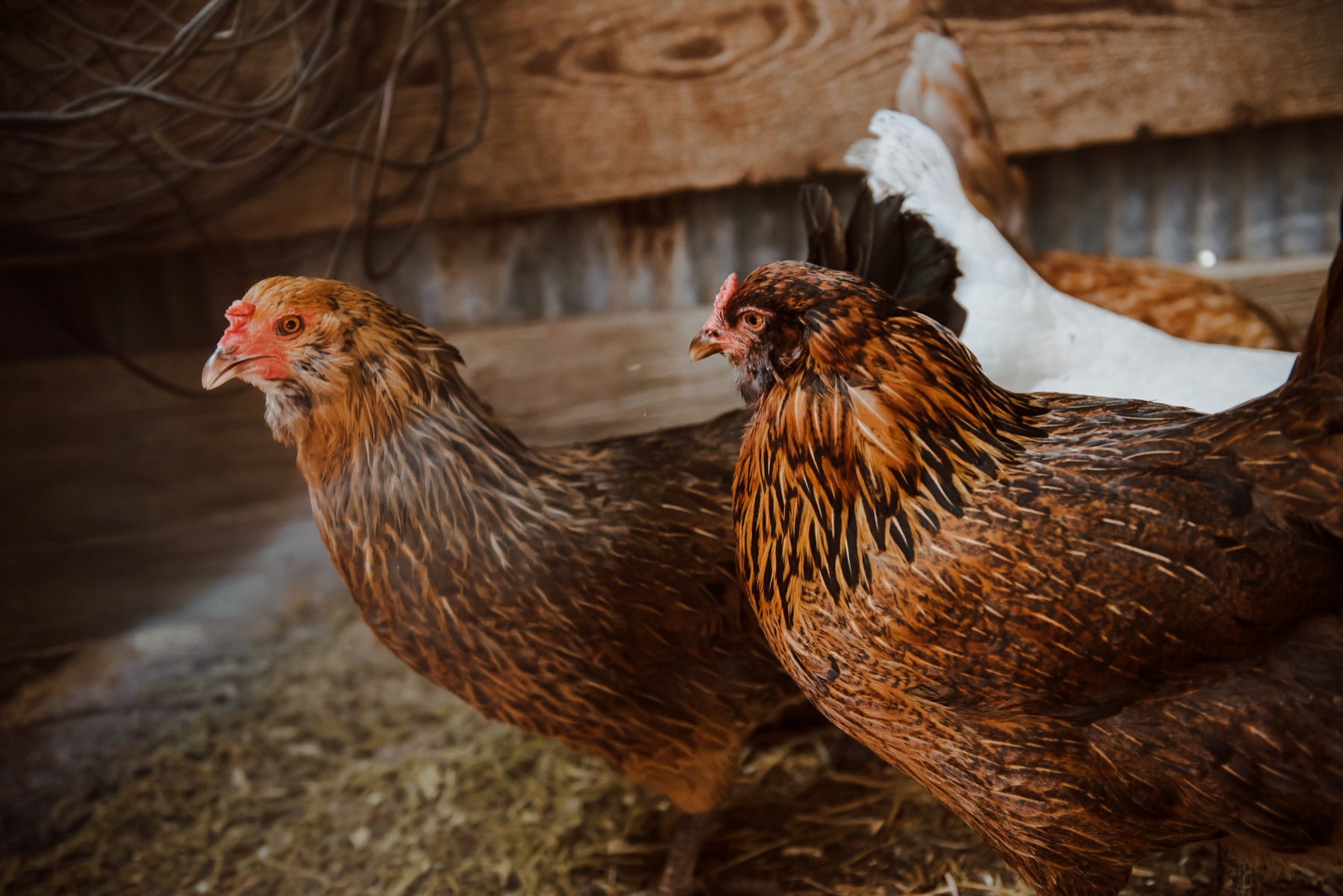
Digestive systems, nutritional needs, food-producing status and potential transfer of compounds into meat, milk or eggs all affect an ingredient review. Research areas have included laying hens, other poultry and livestock, aquaculture, horses and companion animals, but the status of a use cannot be inferred from research interest alone.
Evaluation considers animal safety and performance as well as the safety of food derived from the animal.
Interest is growing, but a marketed product or study does not by itself establish a lawful feed use.
Definitions and approvals depend on a reproducible ingredient, manufacturing process and contaminant controls.
Feed regulation & approval
AAFCO’s 2024 tentative definition for mechanically extracted hemp seed meal specifies use in laying-hen diets at no more than 20 percent of the diet and includes composition and cannabinoid limits. Adoption and enforcement still depend on the relevant jurisdiction.
Minnesota, for example, identifies hemp seed meal for laying hens under those conditions and explains that this does not authorize feeding it to other species. Federal and state animal-food requirements continue to apply.

The future of hemp feed
When a lawful, well-characterized co-product becomes a useful feed ingredient, farmers and processors can capture more value from the same acre and reduce waste across the food chain.
Reaching that future requires ongoing research, complete regulatory submissions, reliable testing and clear communication about which uses are actually permitted.

THE GOODNESS OF HEMP STORY
A click-to-play look at the farm and food-chain context behind hemp feed.
EVIDENCE & CONTEXT
Animal-food approvals are ingredient-, species-, use- and jurisdiction-specific. This chapter is general education, not a determination that a particular hemp ingredient may be fed to a particular animal.
SOURCES & FURTHER READING
These links add current regulatory and evidence context to the original Goodness of Hemp educational material.
Keep exploring
Follow & share
Follow the campaign, share the educational chapters, or explore the proposed framework.