Hulling
Removing the outer shell produces tender hemp hearts and separates a fiber-rich hull fraction.

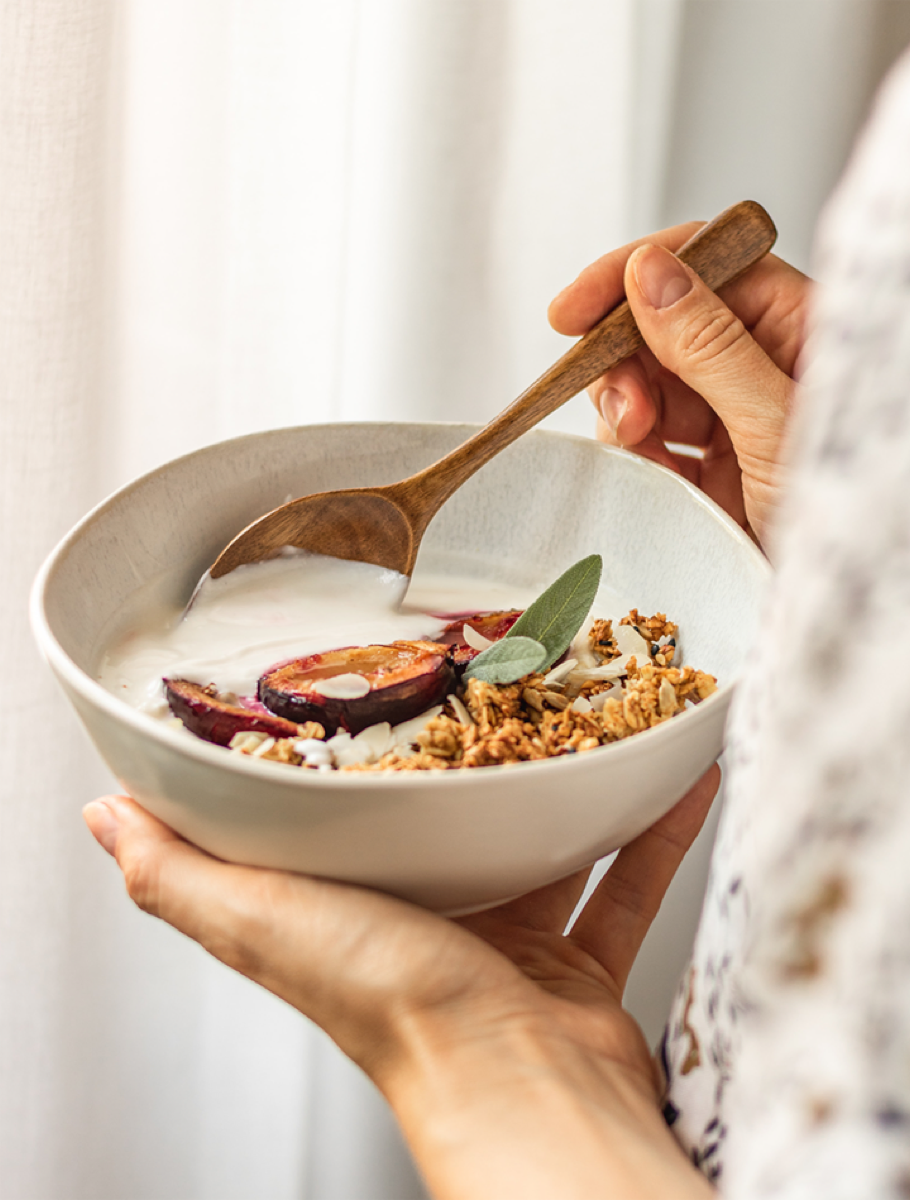
Educational library · Food
Harvest to ingredient: hemp hearts, seed oil, protein and fiber, with the food-regulatory distinctions that matter.
Long before hemp became a modern material or wellness story, its seed was valued as food. Today, hemp seed is cleaned and processed into familiar ingredients including hulled hemp hearts, cold-pressed oil and protein-rich meal.
Every ingredient has a different composition and intended use. Clear labels and product-specific rules help distinguish traditional seed-derived foods from products containing added cannabinoids.
From harvest to ingredient
After harvest, seed is cleaned and conditioned before it is hulled, pressed, milled or used whole. Each process creates a different ingredient and may also produce useful co-products.
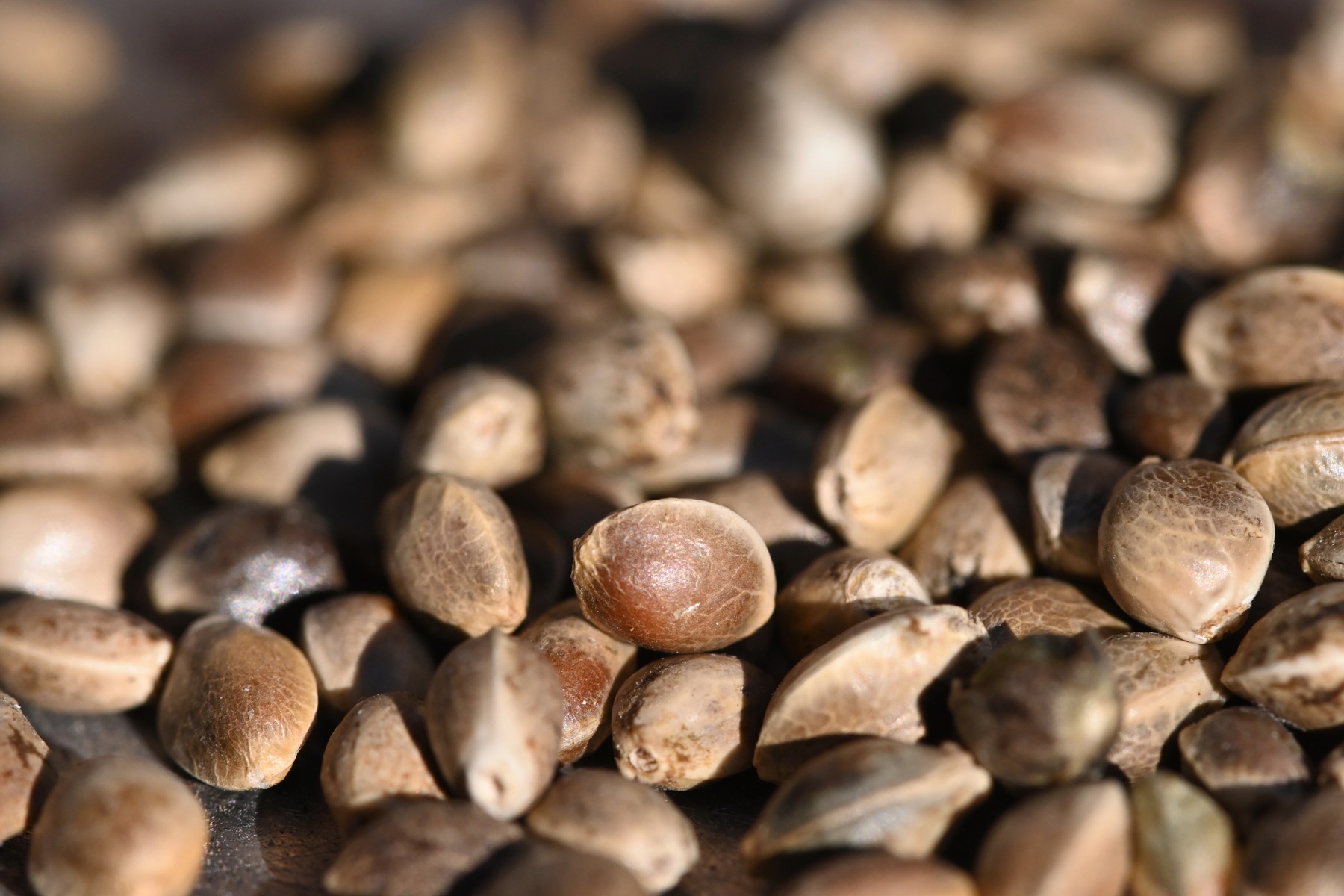
Removing the outer shell produces tender hemp hearts and separates a fiber-rich hull fraction.
Mechanical pressing separates hemp seed oil from a protein- and fiber-containing meal.
Everyday forms
Flavor, texture and composition vary by cultivar and processing method. Manufacturers select an ingredient based on the recipe, specification and applicable food rules.
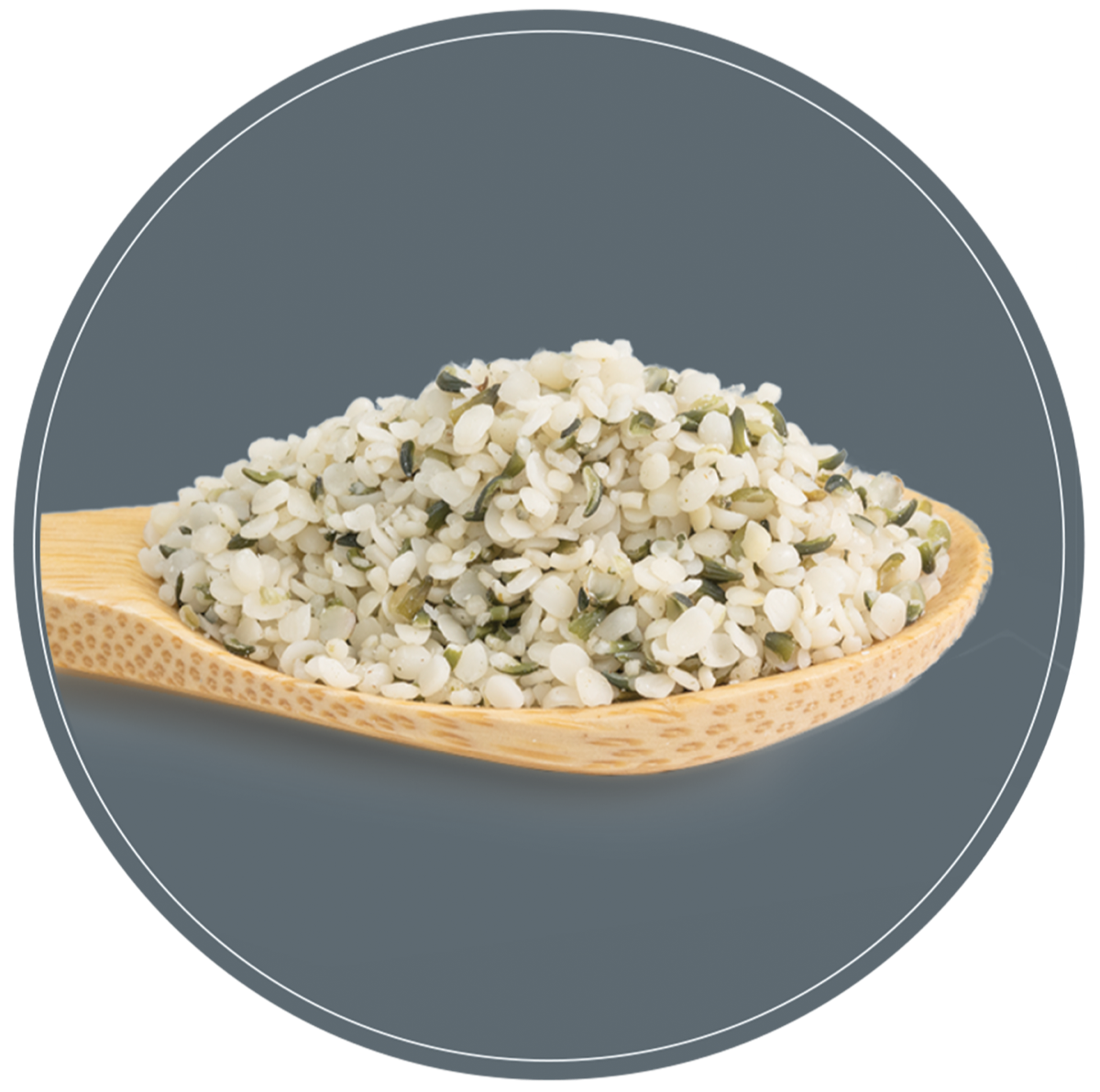
Hulled seed with a mild, nutty flavor and soft texture.
Smoothies and yogurt
Salads and oatmeal
Baking and snack products
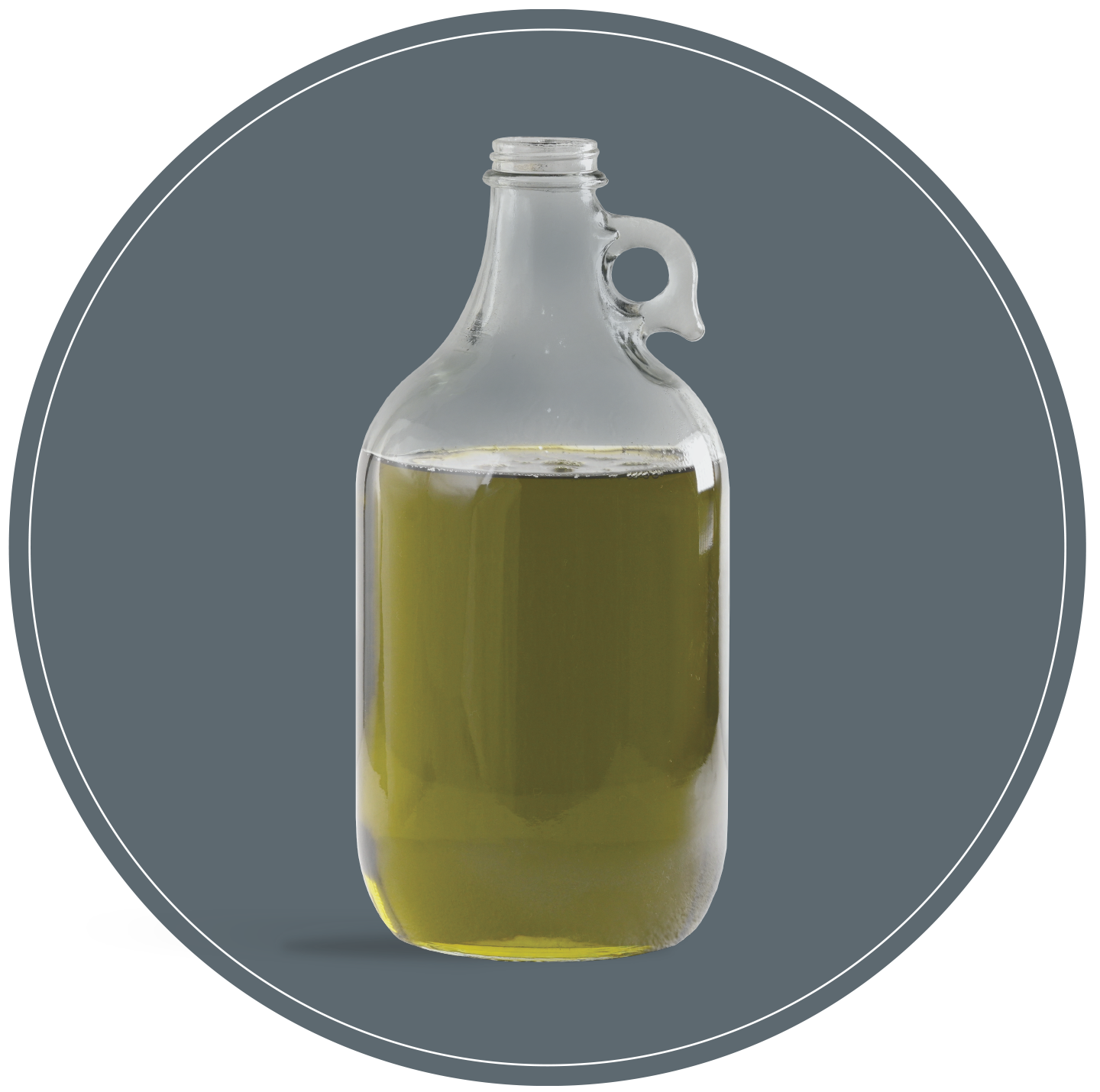
Oil pressed from seed, generally used where a light, nutty flavor is welcome.
Dressings and dips
Finishing oil
Formulated foods
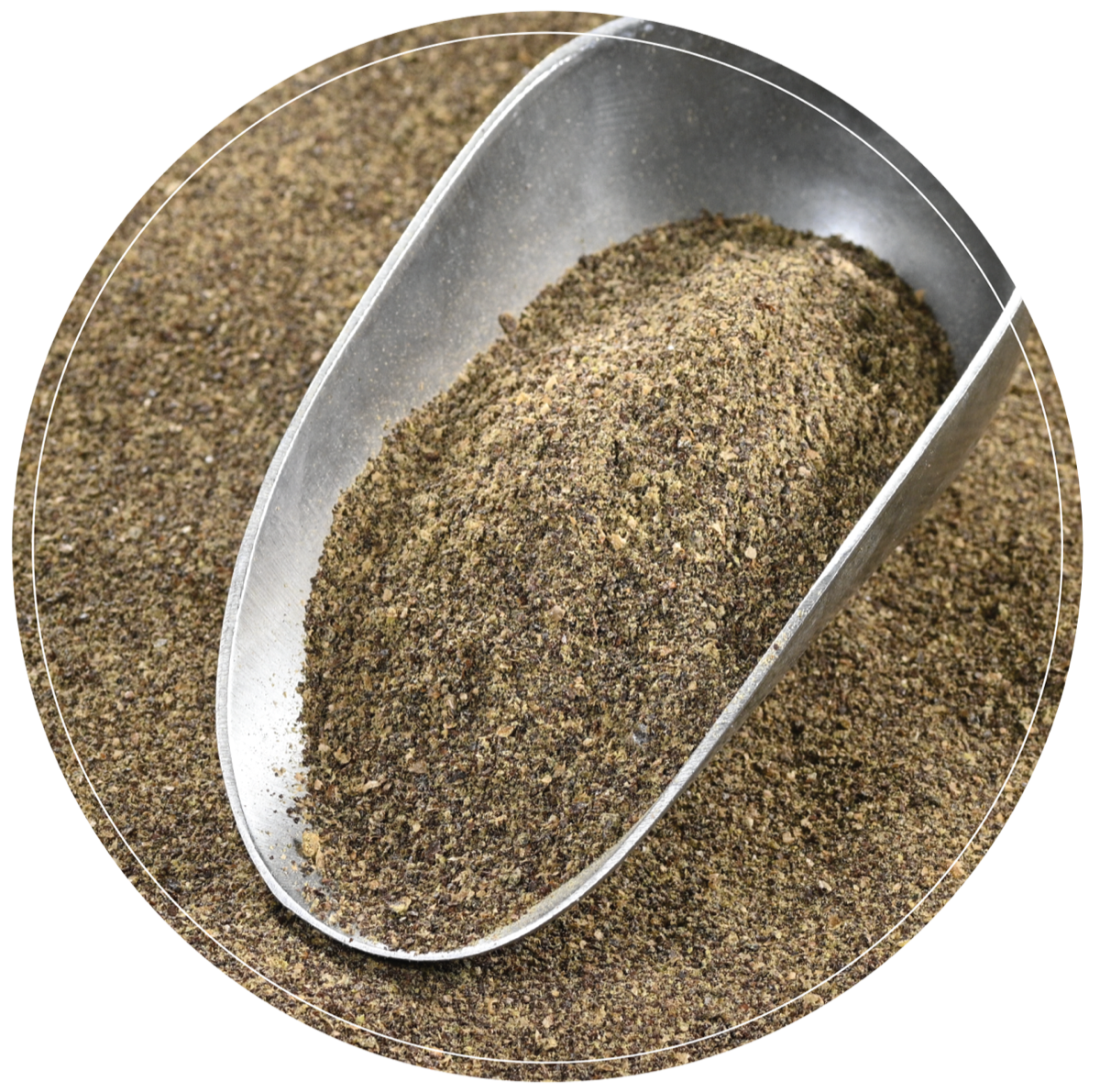
A milled ingredient made from the solids that remain after oil pressing.
Protein shakes
Nutrition bars
Baking mixes and meal products
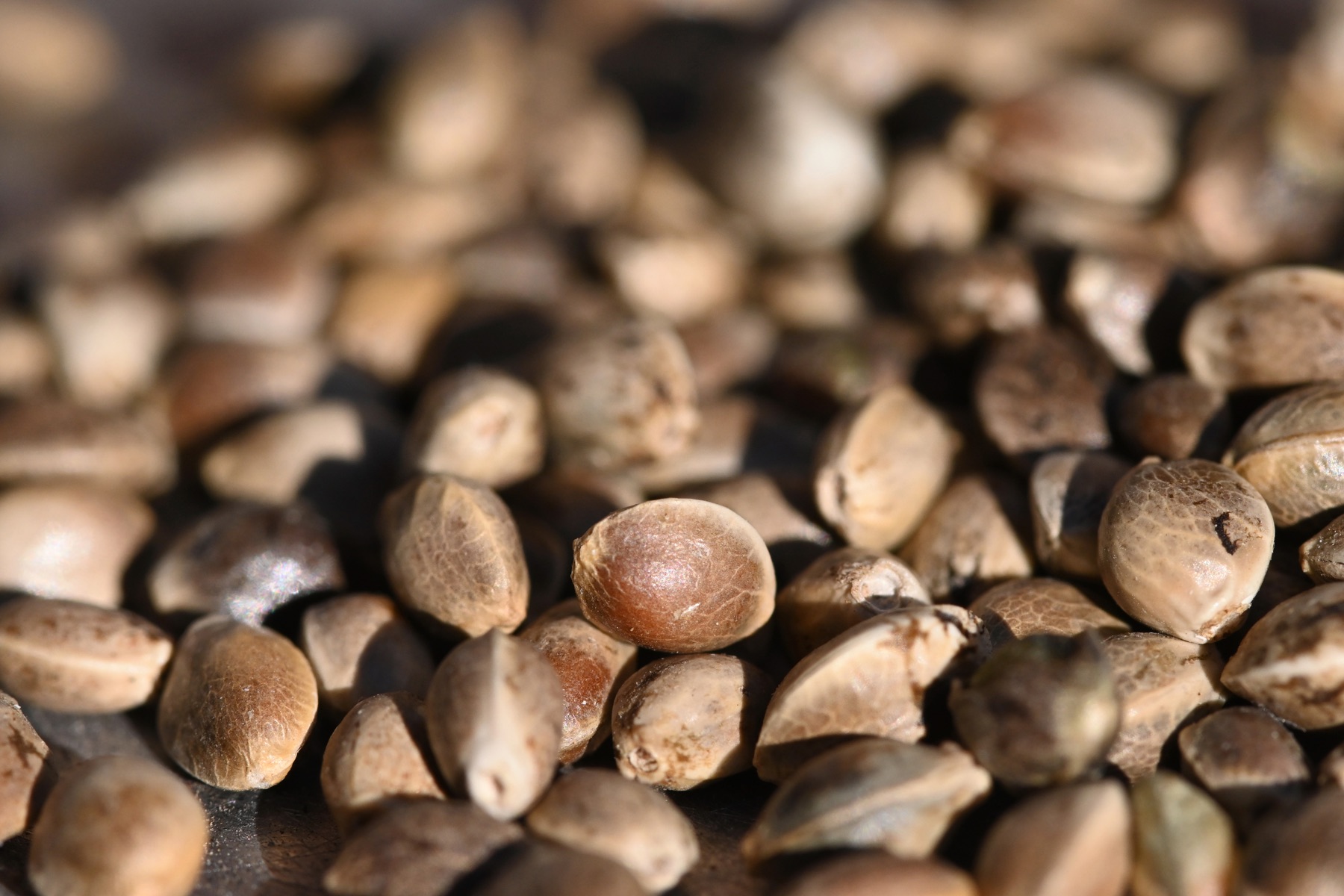
Fractions from the seed coat are being developed for fiber-rich food applications.
Fiber fortification
Baking applications
Emerging food products
Naturally nutritious
Hulled hemp seed provides protein and predominantly unsaturated fats, including omega-6 and omega-3 fatty acids. Whole seed and hull fractions provide more dietary fiber than a fully hulled heart. Hemp seed foods may also contribute minerals such as magnesium, phosphorus, iron and zinc.
Exact nutrient values depend on the ingredient, serving size, cultivar and processing. Nutrition Facts labels—not generalized category claims—are the right source for the composition of a specific product.
Food-regulatory context
In 2018, FDA responded with no questions to three GRAS notices covering hulled hemp seed, hemp seed protein powder and hemp seed oil under the conditions described in those notices. Food manufacturers remain responsible for lawful use, safety and accurate ingredient labeling.
That review did not establish the same status for foods with added CBD or THC. FDA states that its conclusions about CBD and THC in interstate food and dietary-supplement markets are different from its treatment of the three specified seed-derived ingredients.
THE GOODNESS OF HEMP STORY
See how the agricultural story continues as hemp seed becomes an ingredient.
EVIDENCE & CONTEXT
This chapter offers general food education and does not make a health claim or determine whether a particular ingredient, formulation or label complies with federal, state or local law.
SOURCES & FURTHER READING
These links add current regulatory and evidence context to the original Goodness of Hemp educational material.
Keep exploring
Follow & share
Follow the campaign, share the educational chapters, or explore the proposed framework.