Grain hemp
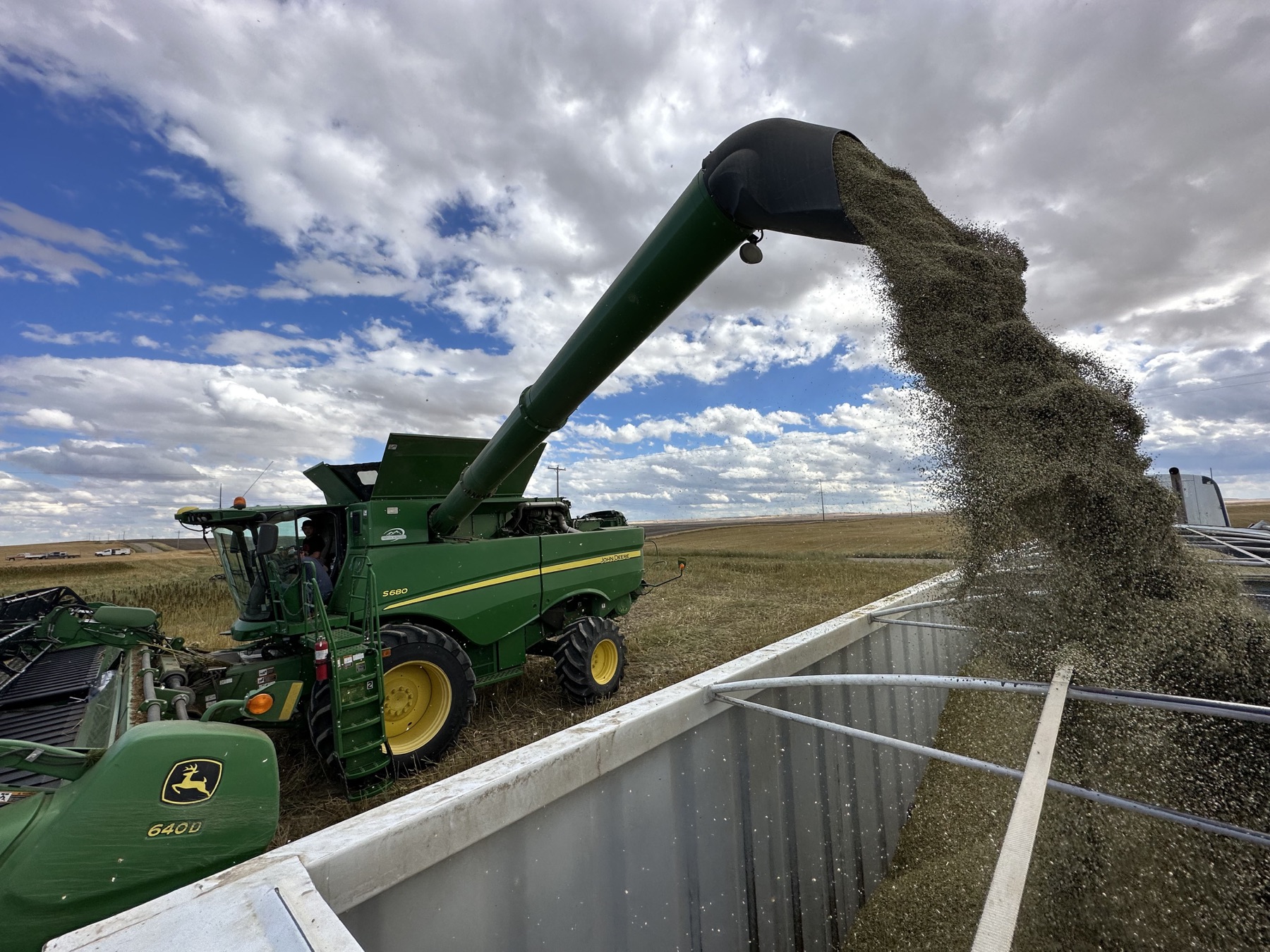
Grain hemp is grown primarily for seed. It can be planted and harvested with equipment similar to that used for wheat, barley and canola.
Hemp hearts
Hemp seed oil
Hemp protein
Potential animal-feed ingredients where approved

Educational library · Agriculture
Field to finished product: grain, fiber and floral pathways, trichomes, compliance and the markets connected to the farm.
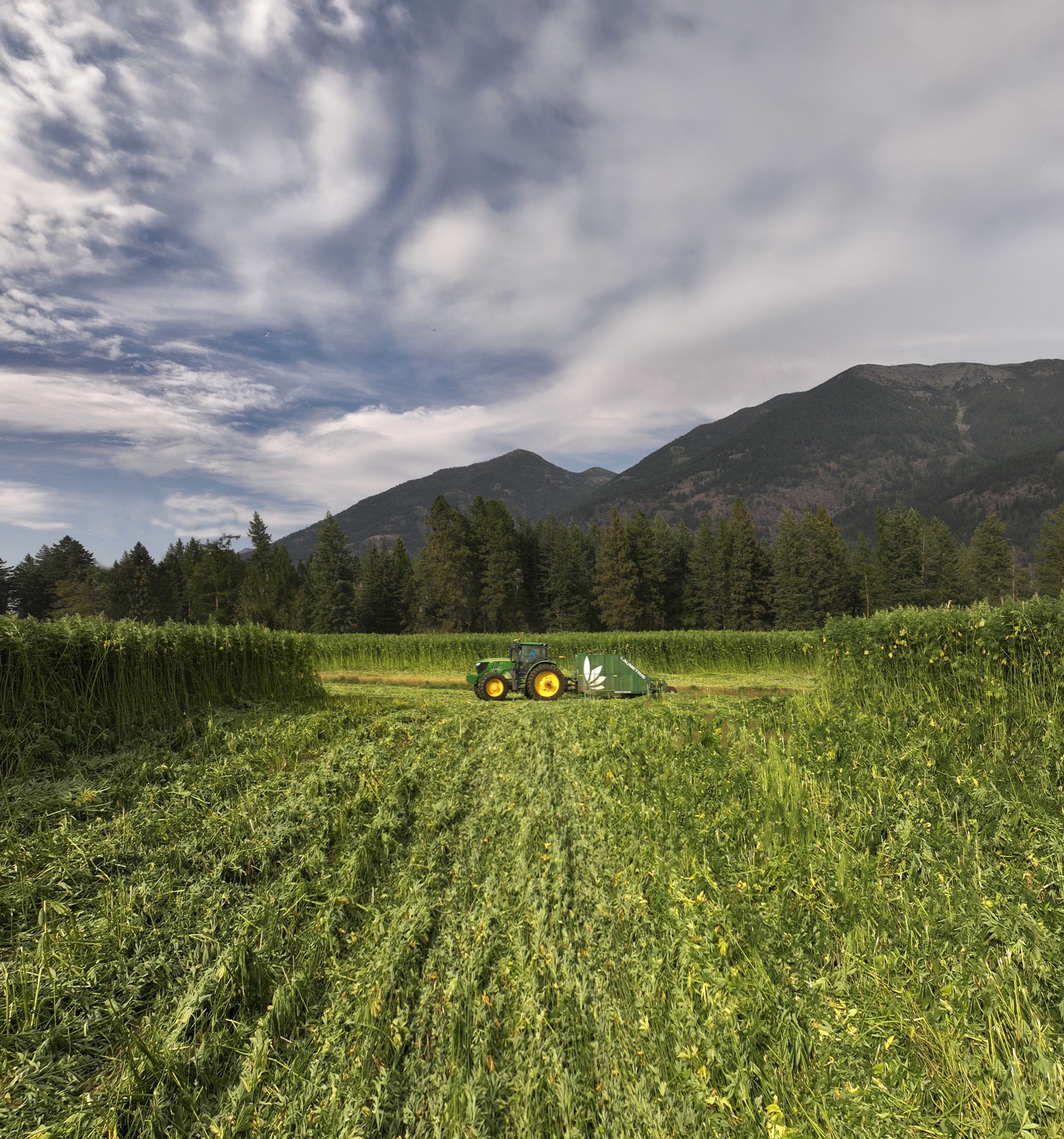
Hemp is one of the most versatile crops grown today. Depending on the variety and its intended market, farmers may cultivate hemp for its seed, stalk or flower—each with a different route from harvest to customer.
Food ingredients and animal feed begin with grain. Textiles, nonwovens and building materials begin with stalk. Cannabinoid ingredients used in some wellness products and beverages begin with flower. Like corn, soybeans or cotton, every one of these supply chains starts on a farm.
Three ways hemp is grown
The intended end use shapes seed selection, planting density, harvest timing, equipment and post-harvest handling. Treating every acre as though it produces the same material obscures how farmers and processors actually work.
Grain hemp is grown primarily for seed. It can be planted and harvested with equipment similar to that used for wheat, barley and canola.
Hemp hearts
Hemp seed oil
Hemp protein
Potential animal-feed ingredients where approved
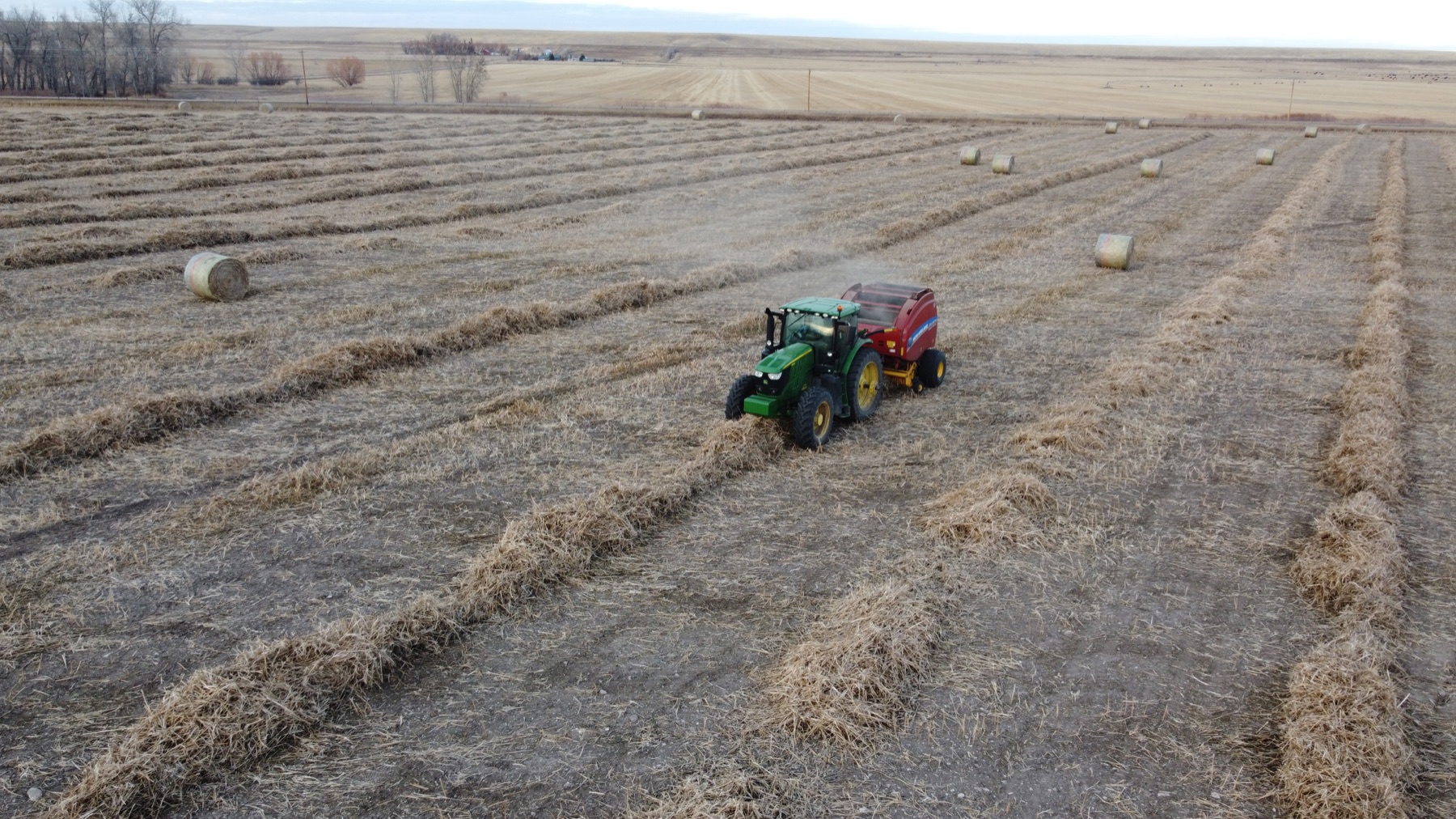
Fiber hemp is grown for the stalk. The long outer bast fiber and woody inner hurd become inputs for different manufacturing systems.
Textiles and nonwovens
Building materials
Animal bedding
Paper and composites
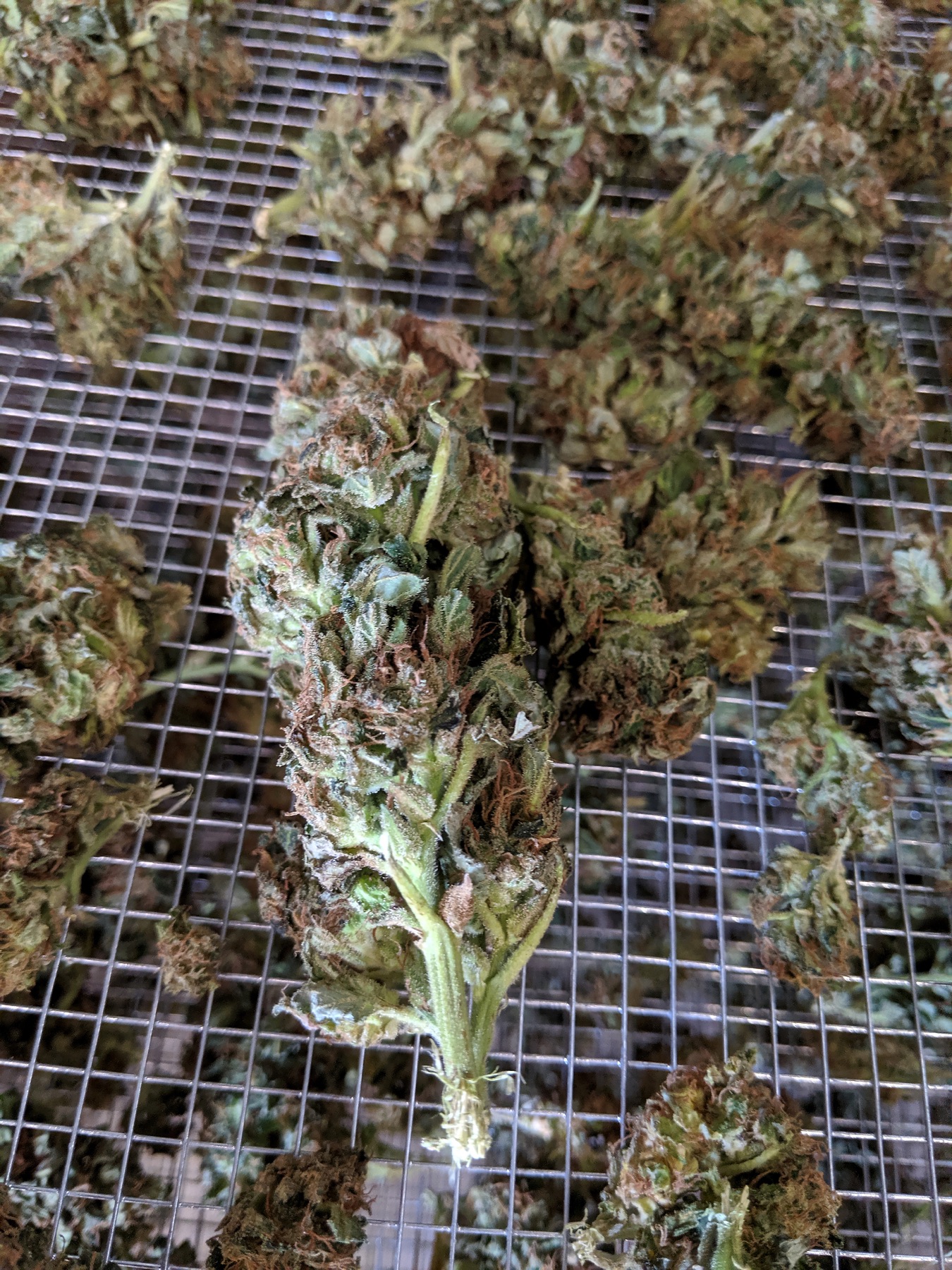
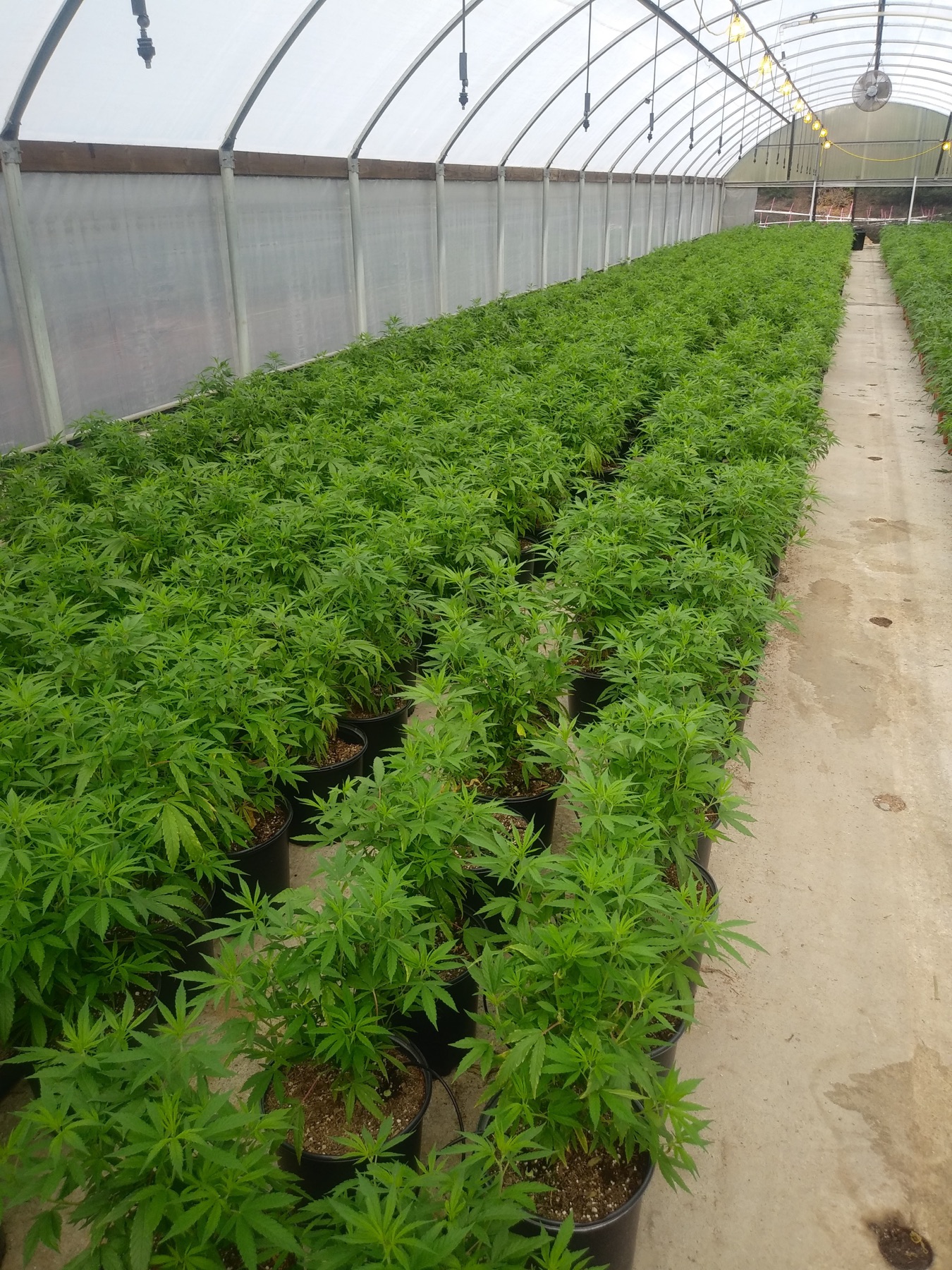
Floral hemp is grown for flowers that contain naturally occurring cannabinoids and aromatic compounds. Production may resemble horticulture more than conventional row-crop farming.
Cannabinoid ingredients
Full-spectrum extracts
Product formulation inputs
Research material
Plant science
Trichomes are tiny glandular structures found on the surface of hemp flowers. They produce and store many of the plant’s cannabinoids and terpenes.
Cannabinoids are concentrated in the flower rather than the seed or stalk. That botanical difference helps explain why floral production has a different risk, testing and compliance profile from grain and fiber production.
From acre to application
A successful harvest is only the first step. Drying, cleaning, storage, primary processing, ingredient or material specifications, manufacturing and dependable buyers all affect whether an acre creates lasting value.
Match genetics and agronomy to a defined end market before the seed goes into the ground.
Harvest, dry, clean and store the crop in a way that protects the quality needed downstream.
Convert seed, stalk or flower into a consistent ingredient or manufacturing input.
Build products to specifications that buyers, regulators and consumers can understand.
Compliance & regulation
USDA’s Domestic Hemp Production Program governs hemp production through approved State and Tribal plans and a federal plan. Its requirements address licensing, records, sampling, testing, disposal or remediation of noncompliant plants and other production obligations.
USDA regulates production; food, animal-feed, consumer-product and other downstream rules involve different federal, state and local authorities. Requirements vary by product and jurisdiction, so a compliant crop is not the same thing as an automatically approved finished product.
The Goodness of Hemp supports policy that recognizes the practical differences between industrial grain-and-fiber production and floral cannabinoid production while preserving clear accountability.
Follow the crop
Related chapters follow these pathways beyond the farm, tracing hemp into a growing range of foods, feeds, materials, wellness products and more.
THE GOODNESS OF HEMP STORY
A click-to-play field story about the people and production behind American hemp.
EVIDENCE & CONTEXT
This chapter is general education, not legal, agronomic or compliance advice. Current federal, state, Tribal and local requirements—and the requirements attached to a buyer or end use—should be confirmed before planting, processing or selling hemp.
SOURCES & FURTHER READING
These links add current regulatory and evidence context to the original Goodness of Hemp educational material.
Keep exploring
Follow & share
Follow the campaign, share the educational chapters, or explore the proposed framework.