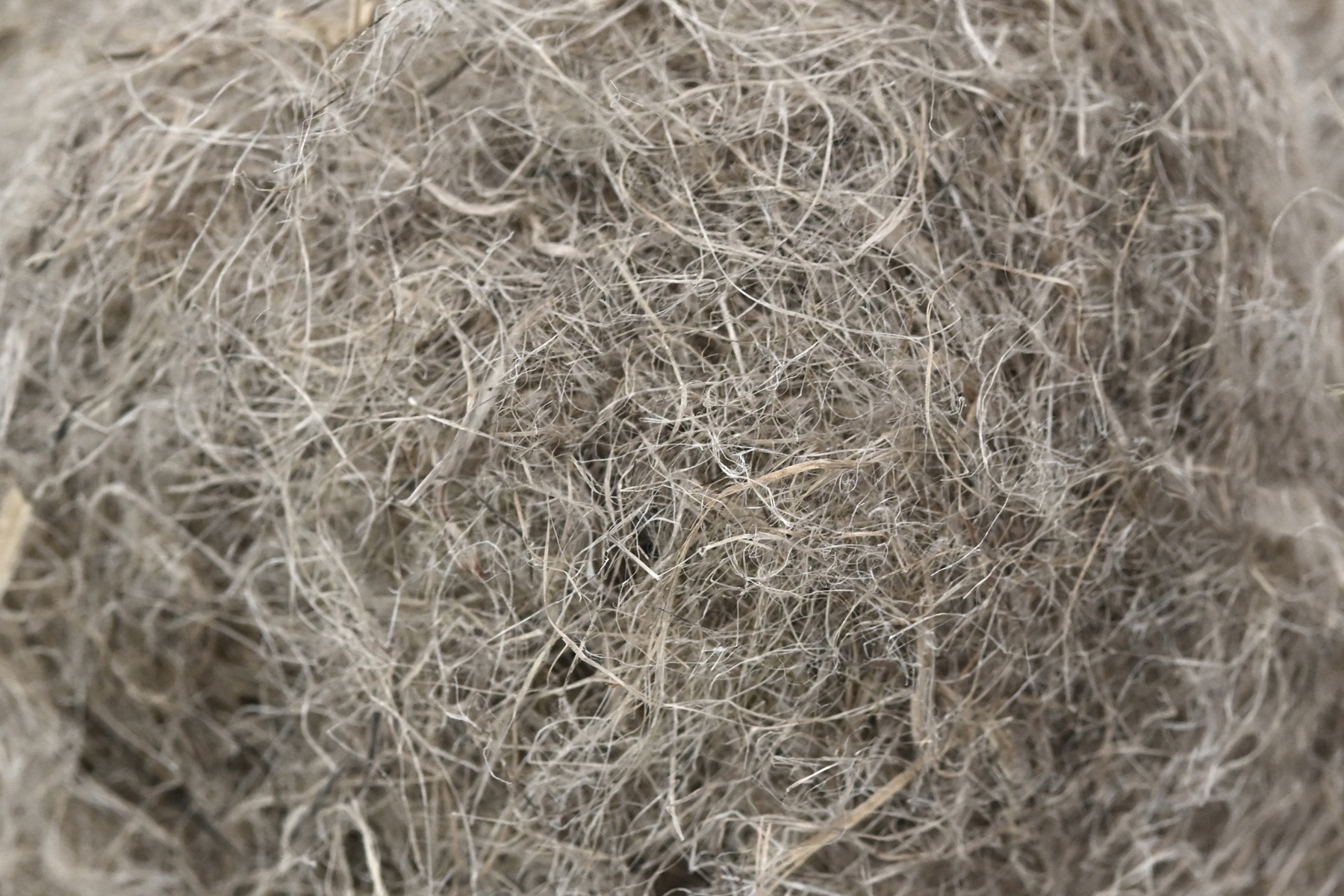
Bast fiber
The long outer fiber can be refined for textiles, nonwovens, reinforcement and other fibrous products.

Educational library · Materials
Decortication, bast and hurd, followed by construction, textile, nonwoven, animal-care and composite applications.
Long before it becomes a textile, panel or building material, hemp is a stalk. Fiber hemp may be grown as a dedicated crop or as part of a dual-purpose system that also harvests grain.
After harvest, retting and primary processing separate the stalk into fractions with different physical properties. Consistent specifications are what turn those fractions into useful manufacturing inputs.
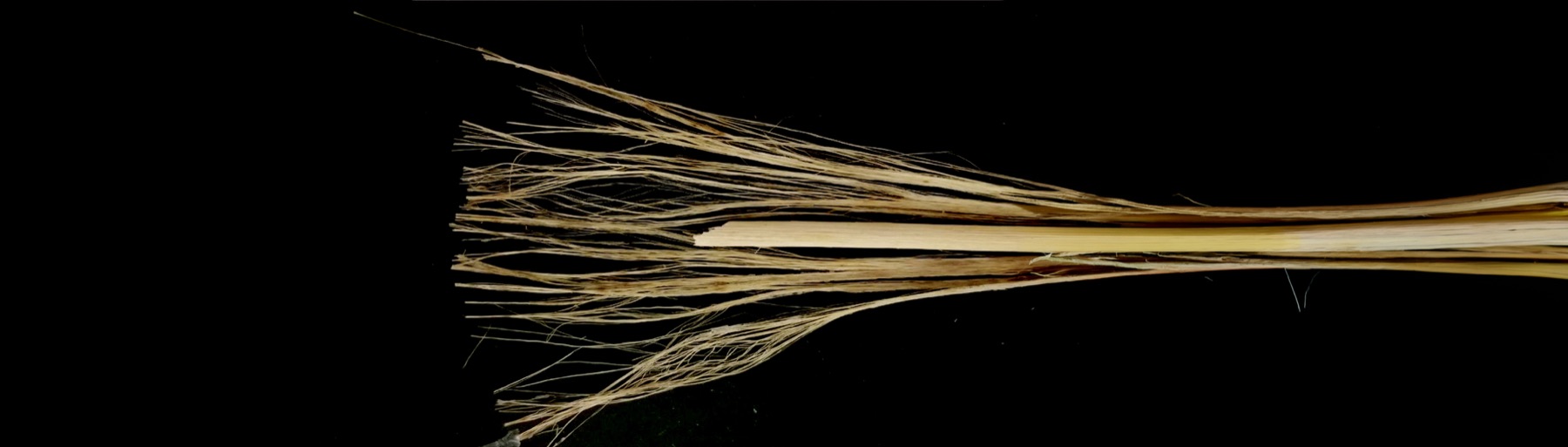
Decortication
Decortication mechanically separates the long outer bast fibers from the woody inner core, commonly called hurd or shiv. Cleaning, opening, cutting and refining can prepare each fraction for a particular customer.
Moisture, length, cleanliness, density and other specifications matter. “Hemp fiber” is not one uniform commodity ready for every application.
The long outer fiber can be refined for textiles, nonwovens, reinforcement and other fibrous products.
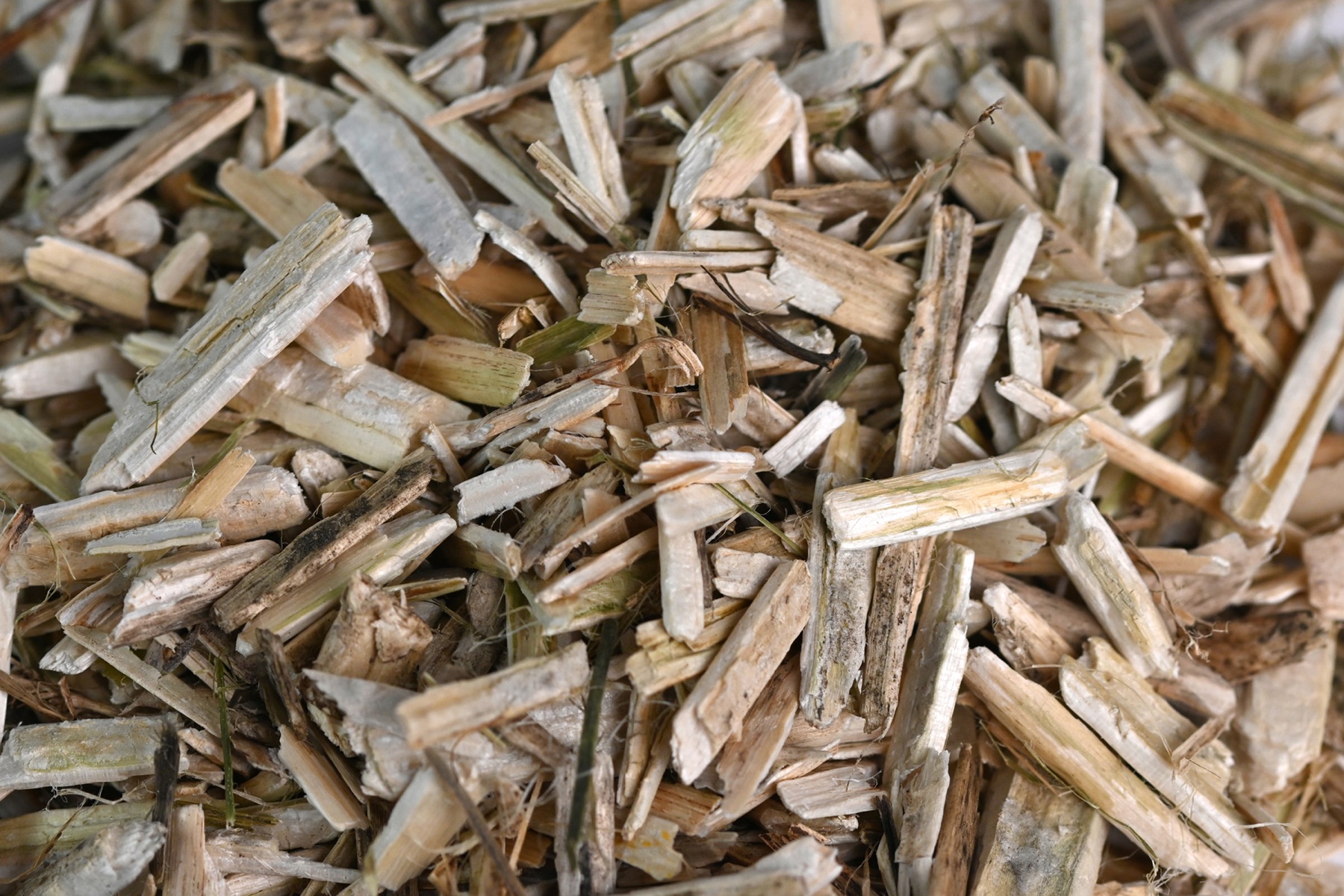
The lightweight inner core can be sized for animal bedding, hemp-lime construction, absorbent products and other material systems.
Material applications
Hemp’s usefulness comes from matching a processed material to measurable performance needs—not from assuming one crop automatically fits every product.
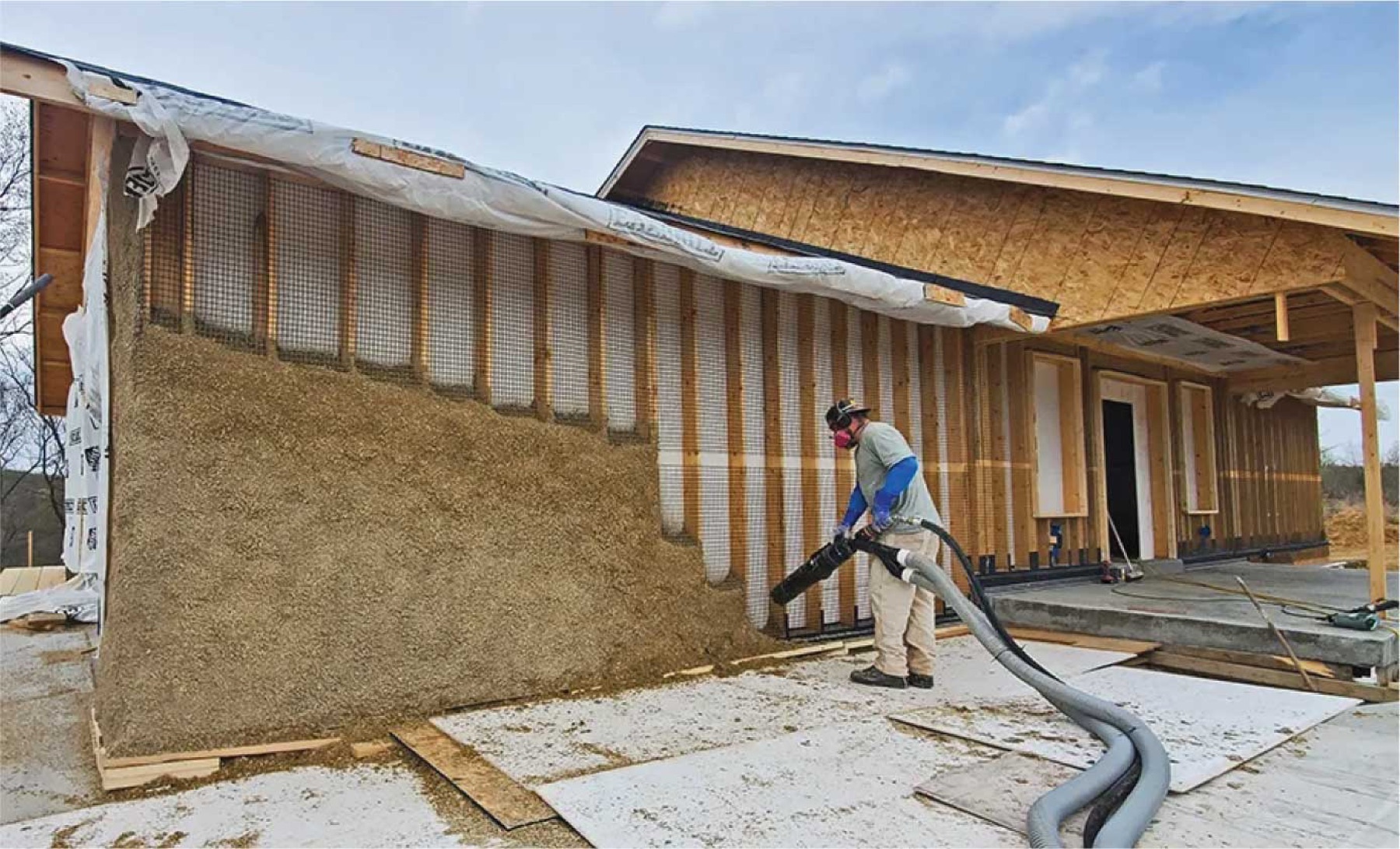
Hemp-lime wall systems, insulation, acoustic materials, underlayment and selected geotechnical applications.

Wipes, filtration, packaging, hygiene, automotive and industrial fiber mats.
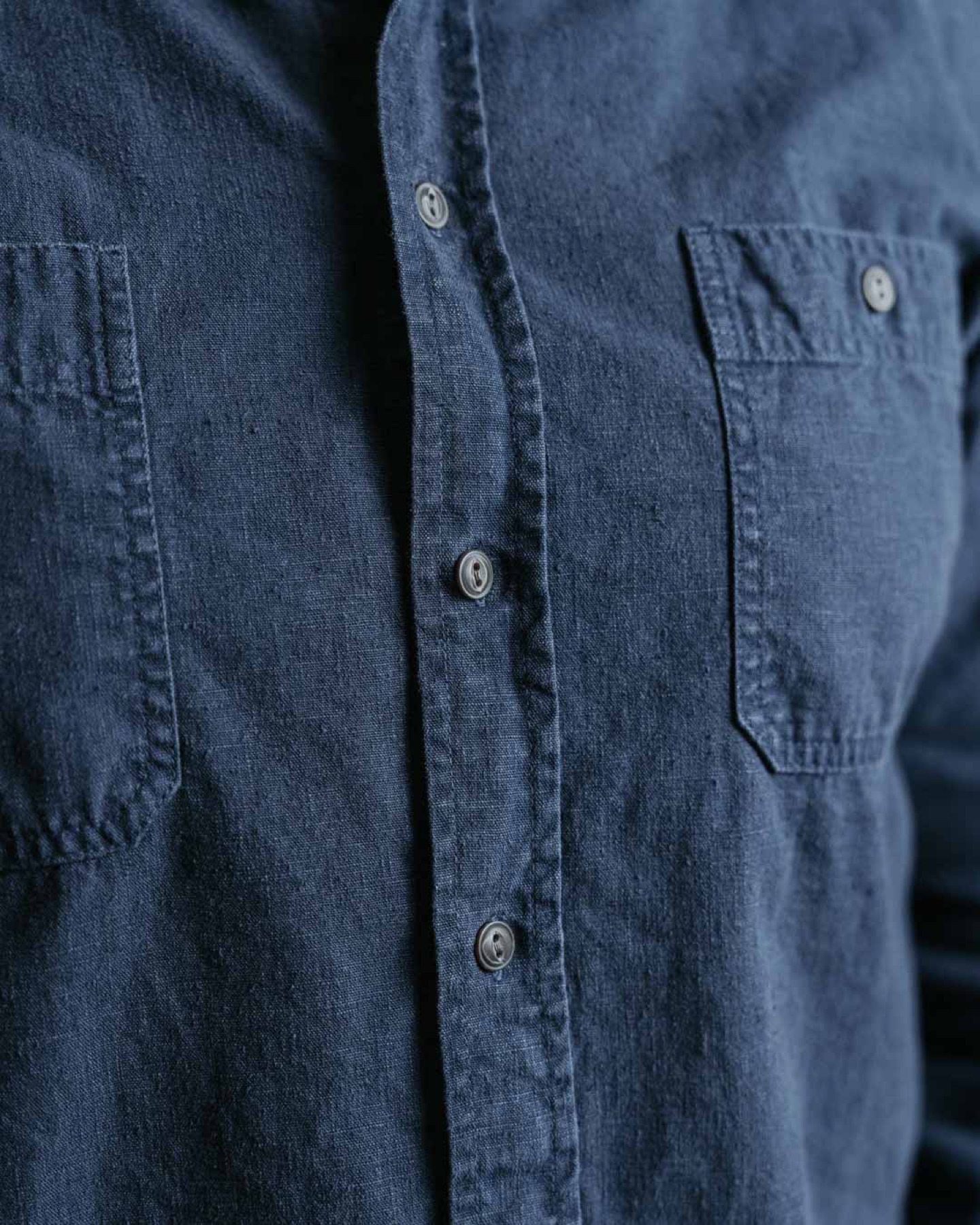
Apparel, denim, footwear, upholstery, home textiles and technical fabrics.
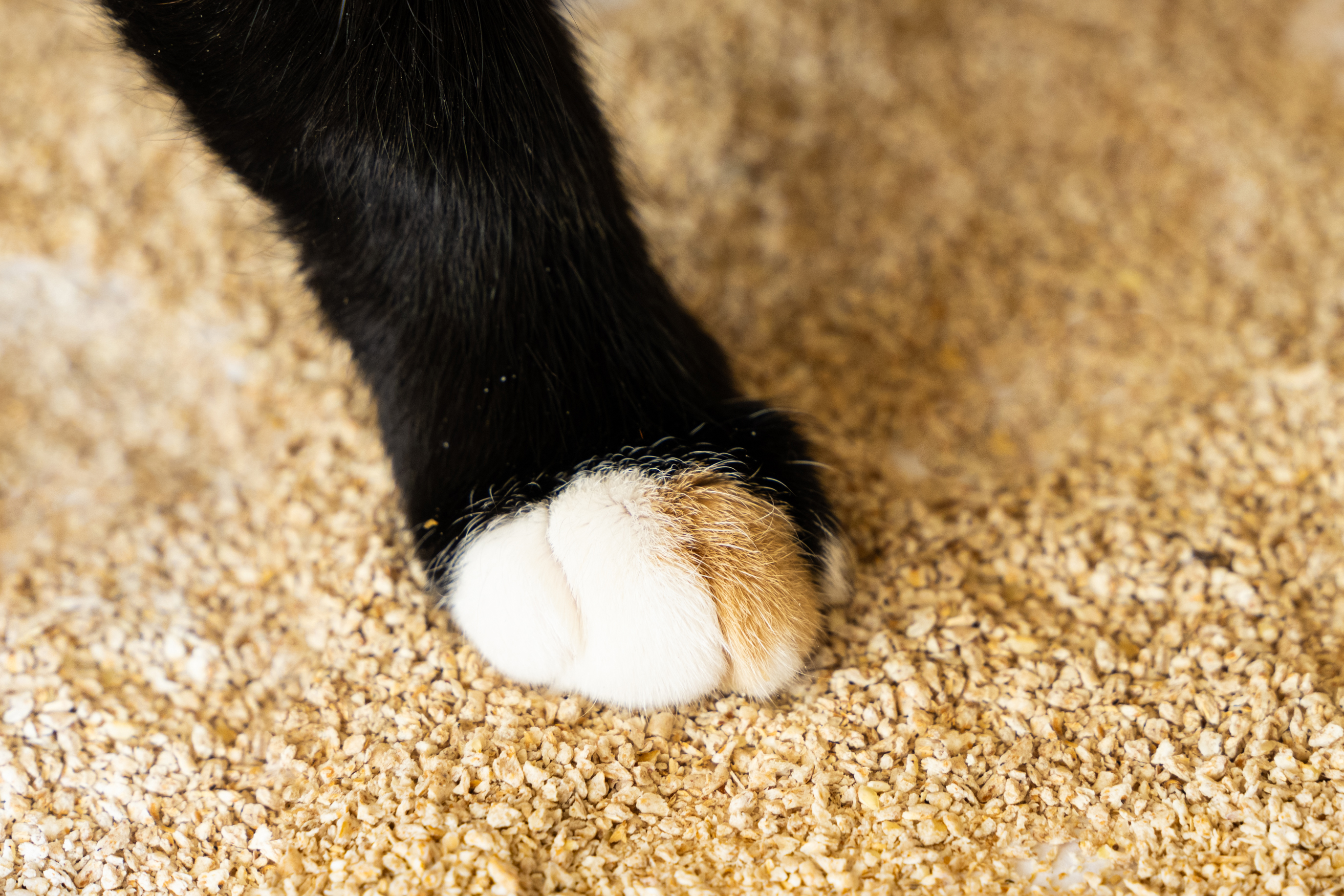
Bedding and nesting materials for horses, poultry, companion animals and other appropriate uses.

Molded components, consumer goods, industrial composites and emerging bio-based products.
Building with hemp
The 2024 International Residential Code includes Appendix BL for hemp-lime construction. That model-code text is an important reference, but local adoption, permitting, design conditions, material specifications and professional responsibilities still determine what applies to a project.
Other hemp-derived construction products follow their own testing, certification and code pathways. One recognized assembly should not be used to imply blanket approval for every hemp material.
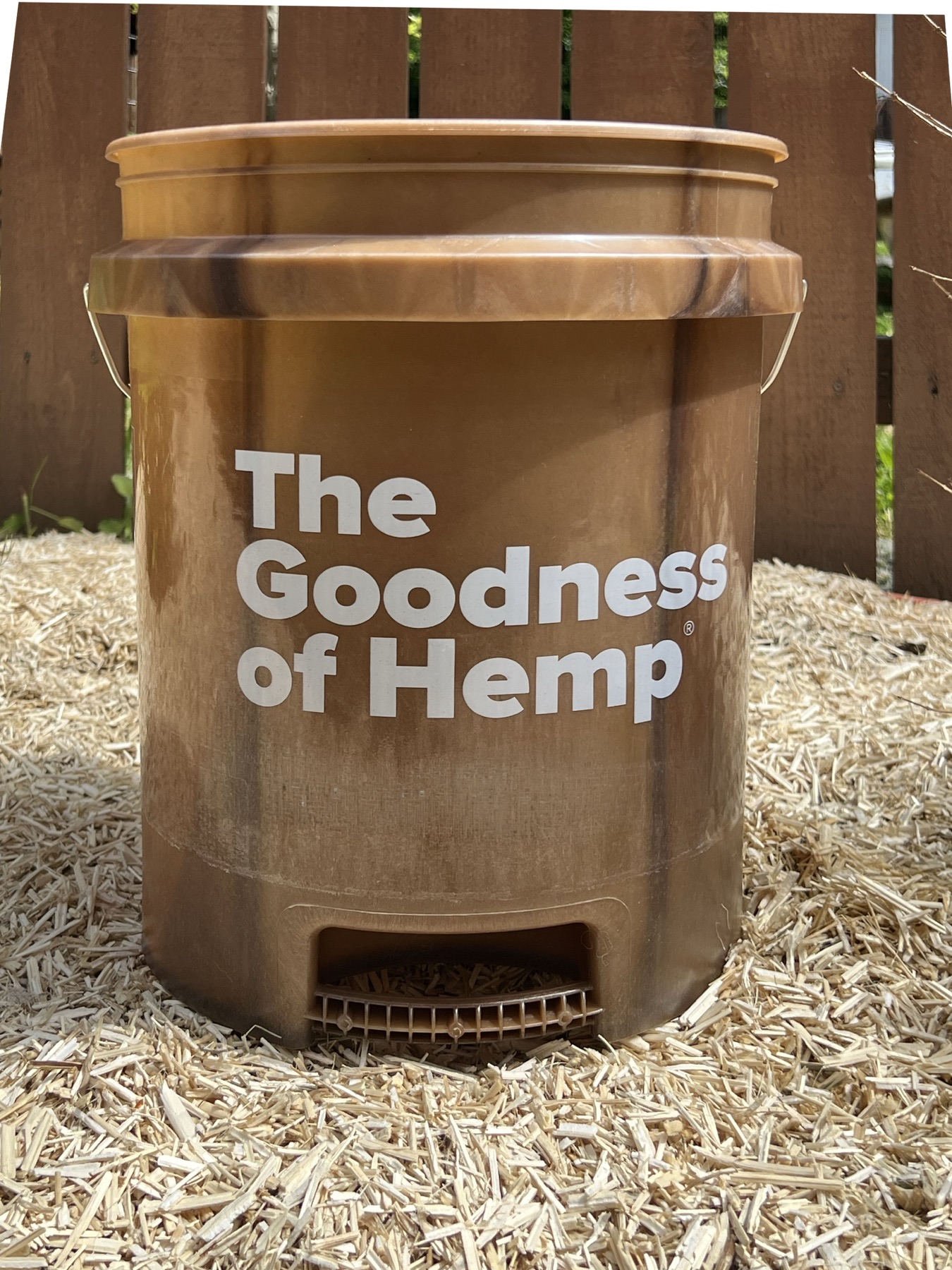
Bringing goodness to everyone
Hemp materials invite designers, processors and manufacturers to reconsider where renewable agricultural inputs can perform well. The strongest opportunity is practical: reliable supply, repeatable quality, verified performance and products designed for real markets.
American growers and manufacturers are building capacity for both domestic demand and global supply chains. Competitiveness will depend on standards, logistics, processing scale and the requirements of each destination market.
THE GOODNESS OF HEMP STORY
A click-to-play look at how a field-grown stalk becomes a manufacturing input.
EVIDENCE & CONTEXT
Material and environmental performance depends on feedstock, processing, formulation, testing, installation, service conditions and end-of-life assumptions. This chapter does not certify a product or replace project-specific codes and professional review.
SOURCES & FURTHER READING
These links add current regulatory and evidence context to the original Goodness of Hemp educational material.
Keep exploring
Follow & share
Follow the campaign, share the educational chapters, or explore the proposed framework.