Tinctures & oils
Liquid products measured by dropper. Labels should make the amount per serving and the complete ingredient list easy to find.


Educational library · Wellness
Common product formats, full-spectrum terminology, quality signals, evidence limits and special context for animal products.
Hemp-derived wellness products appear in a growing range of formats. Consumers may encounter marketing about relaxation, recovery, sleep or general wellbeing, but a product’s popularity or intended use is not evidence that it provides a clinically established benefit.
Responsible product education starts with what the product contains, how it is used, what testing supports the label and what the available evidence can—and cannot—show.
Common product formats
Serving information, onset, duration, ingredients and risks can differ by format. Products should be evaluated individually rather than treated as interchangeable.
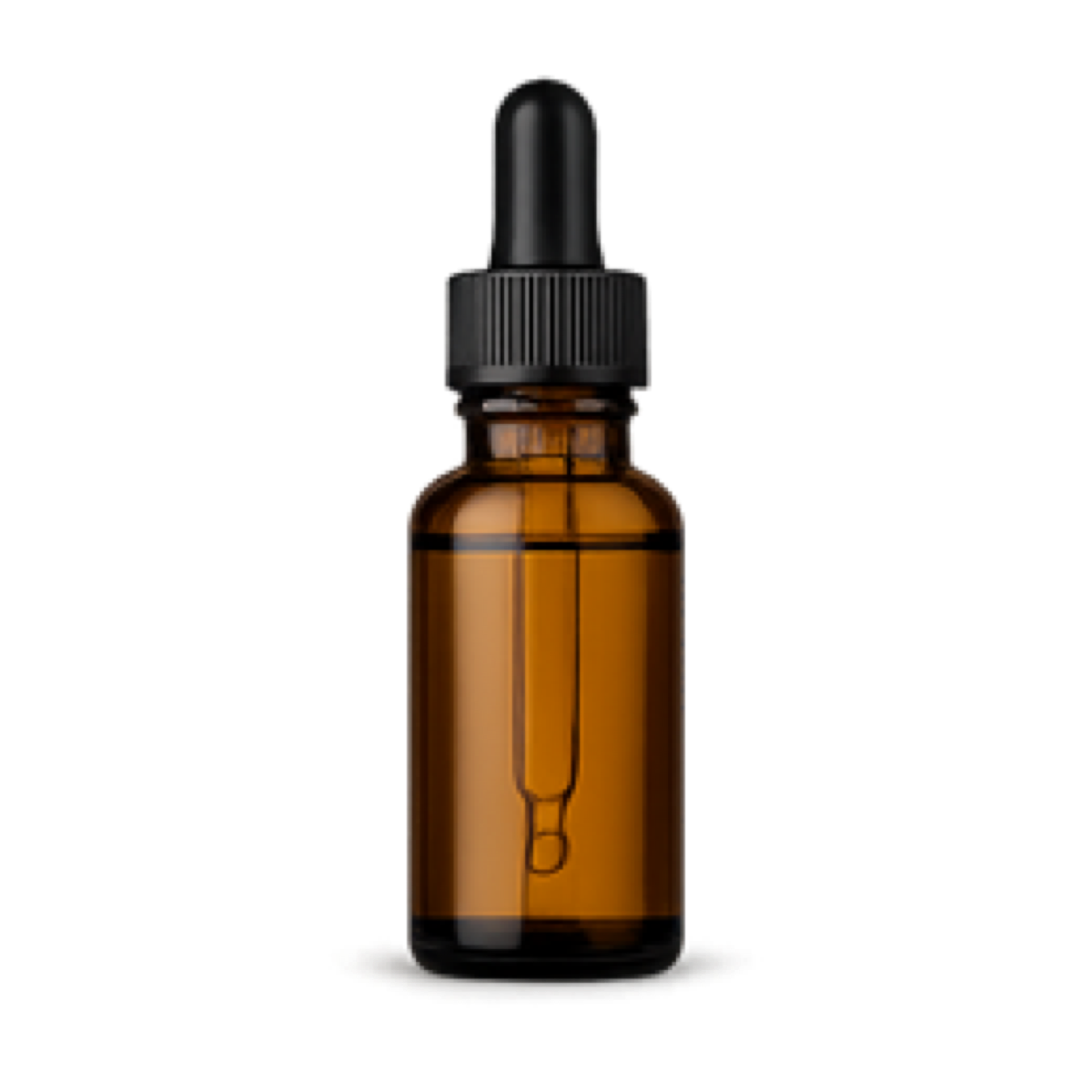
Liquid products measured by dropper. Labels should make the amount per serving and the complete ingredient list easy to find.
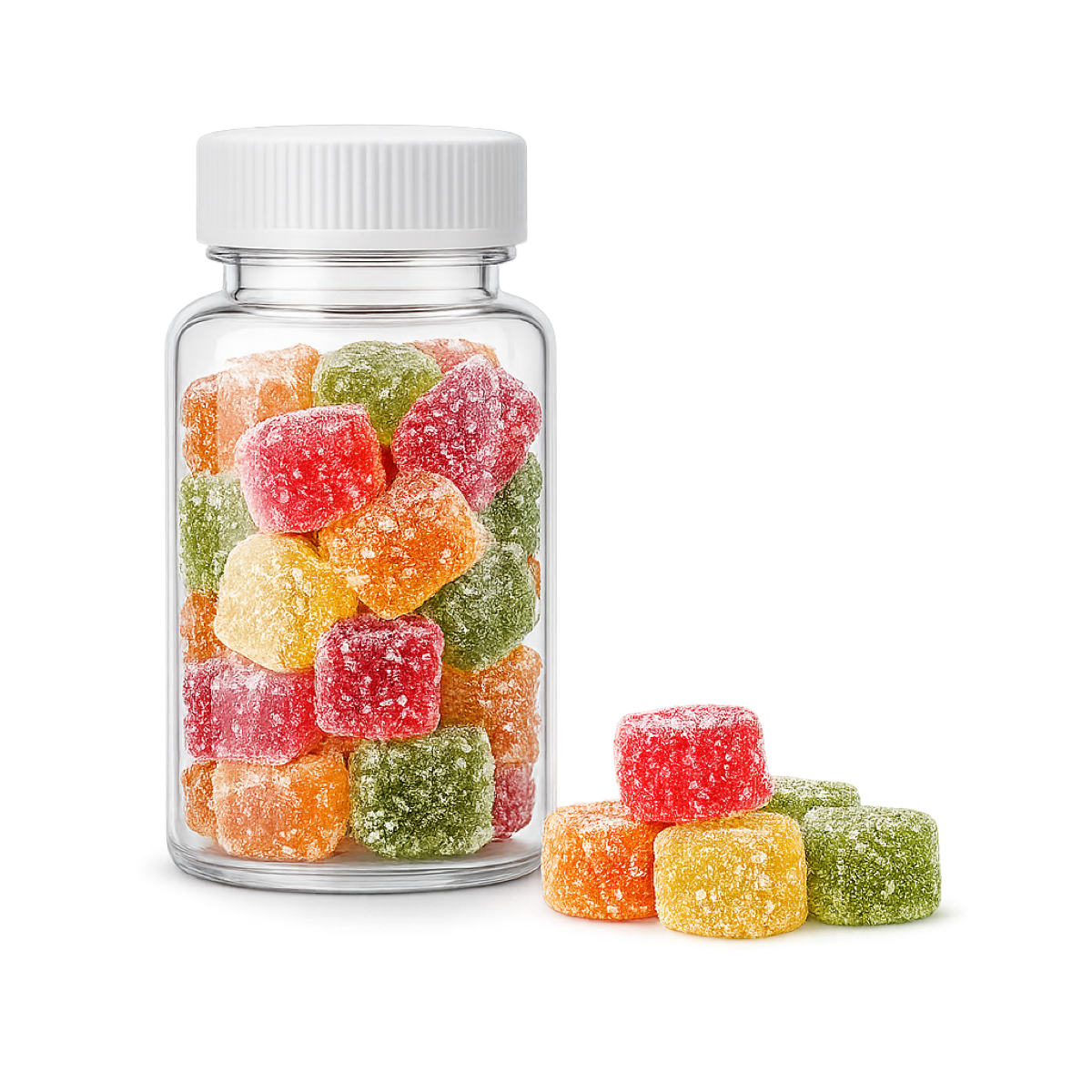
Edible products with a familiar format. Clear serving directions and packaging that reduces accidental consumption are especially important.
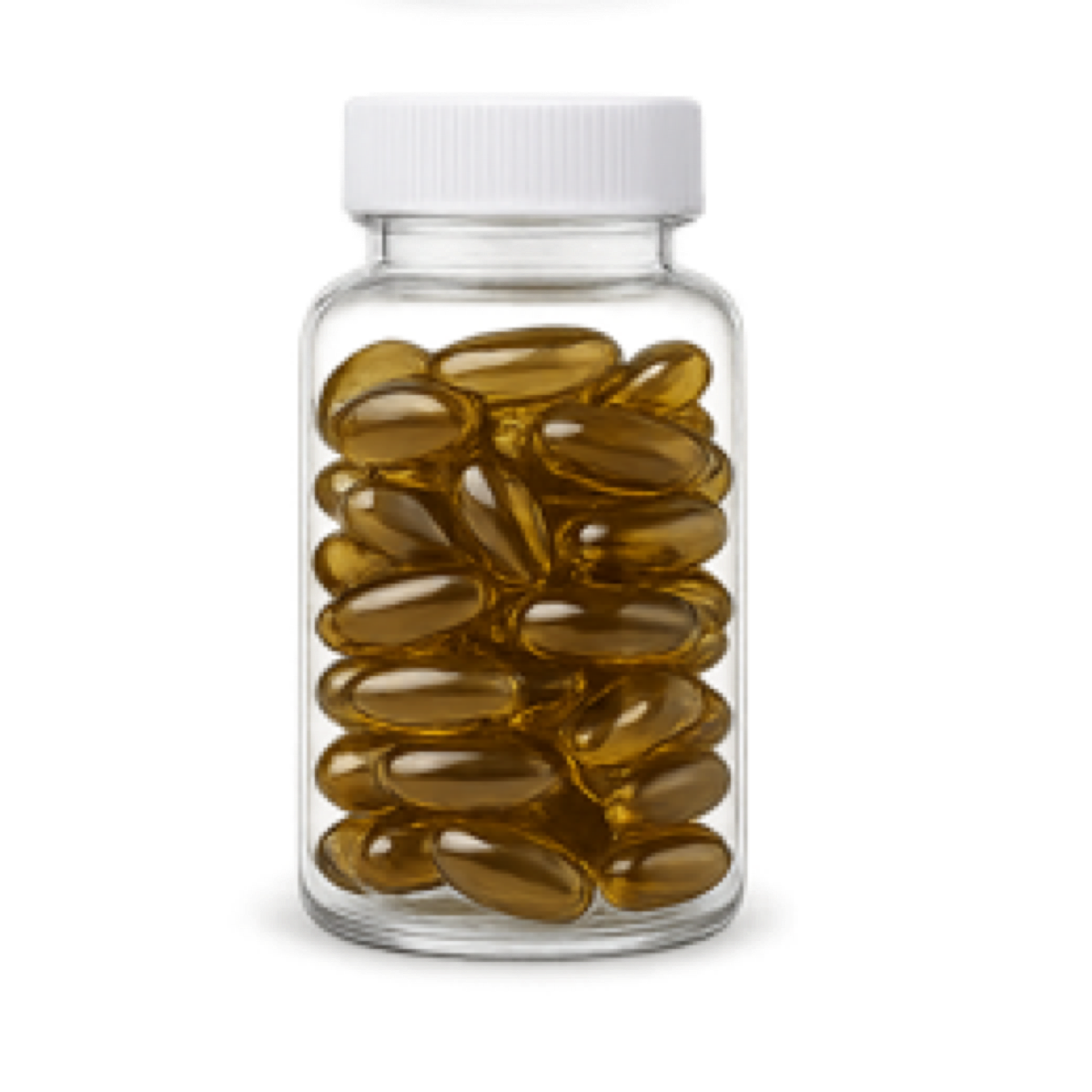
Premeasured oral products. A consistent unit does not eliminate the need to evaluate ingredients, evidence, interactions and label accuracy.
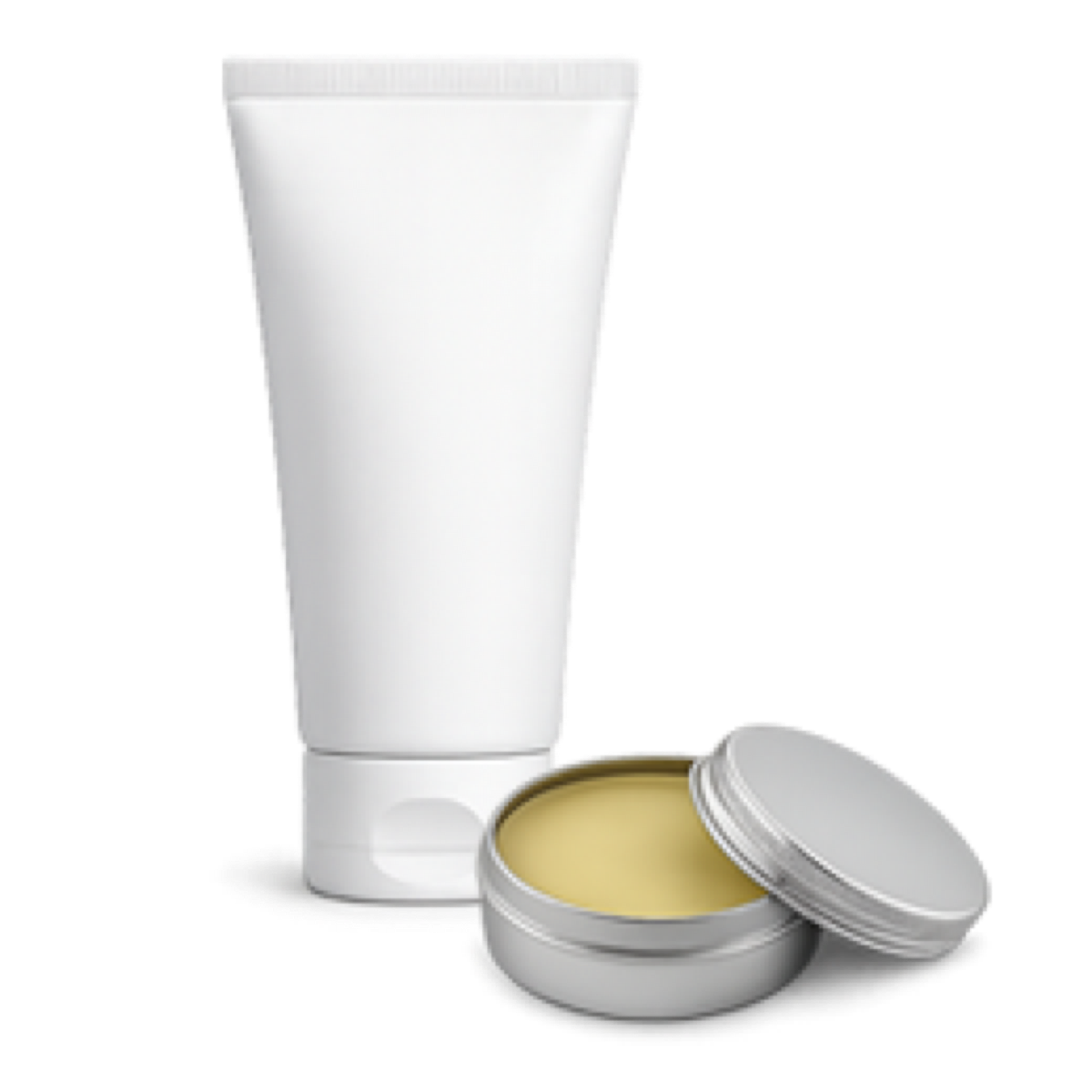
Creams, balms and lotions applied to the skin. Claims and ingredients determine the regulatory and evidence questions a product raises.
Read the label
In the marketplace, “full spectrum” generally describes an extract intended to retain a range of naturally occurring cannabinoids, terpenes and other plant compounds. Such products may contain trace THC.
The phrase is not a promise of a particular clinical effect. Consumers should look for the actual cannabinoid amounts, serving size, ingredient list, test information and warnings on the specific product.
Quality matters
Testing and documentation do not establish a health benefit, but they can help address identity, potency, contaminants and manufacturing consistency.
Third-party testing from a qualified laboratory
A batch or lot connection between the product and its test result
Clearly identified ingredients and cannabinoid amounts
Responsible manufacturing and accurate labeling
Age-appropriate marketing and protective packaging where applicable
No unsupported disease-treatment or cure claims

Hemp wellness for animals
Hemp-derived products are also marketed for companion animals and horses. Animals can respond differently from people, and a human product may contain ingredients that are inappropriate for an animal.
Research continues, but broad conclusions about safety and benefit cannot be drawn from popularity or marketing. Pet owners should discuss animal health questions with a veterinarian and verify the status of any proposed product or ingredient.

THE GOODNESS OF HEMP STORY
A click-to-play overview of the people, products and questions behind the wellness category.
EVIDENCE & CONTEXT
This chapter is educational, not medical or veterinary advice, and it does not claim that a nonprescription hemp or cannabinoid product prevents, diagnoses, treats or cures a condition. FDA has not approved most products sold in this category.
SOURCES & FURTHER READING
These links add current regulatory and evidence context to the original Goodness of Hemp educational material.
Keep exploring
Follow & share
Follow the campaign, share the educational chapters, or explore the proposed framework.